Junk Removal Invoice Template: Free, Volume and Disposal
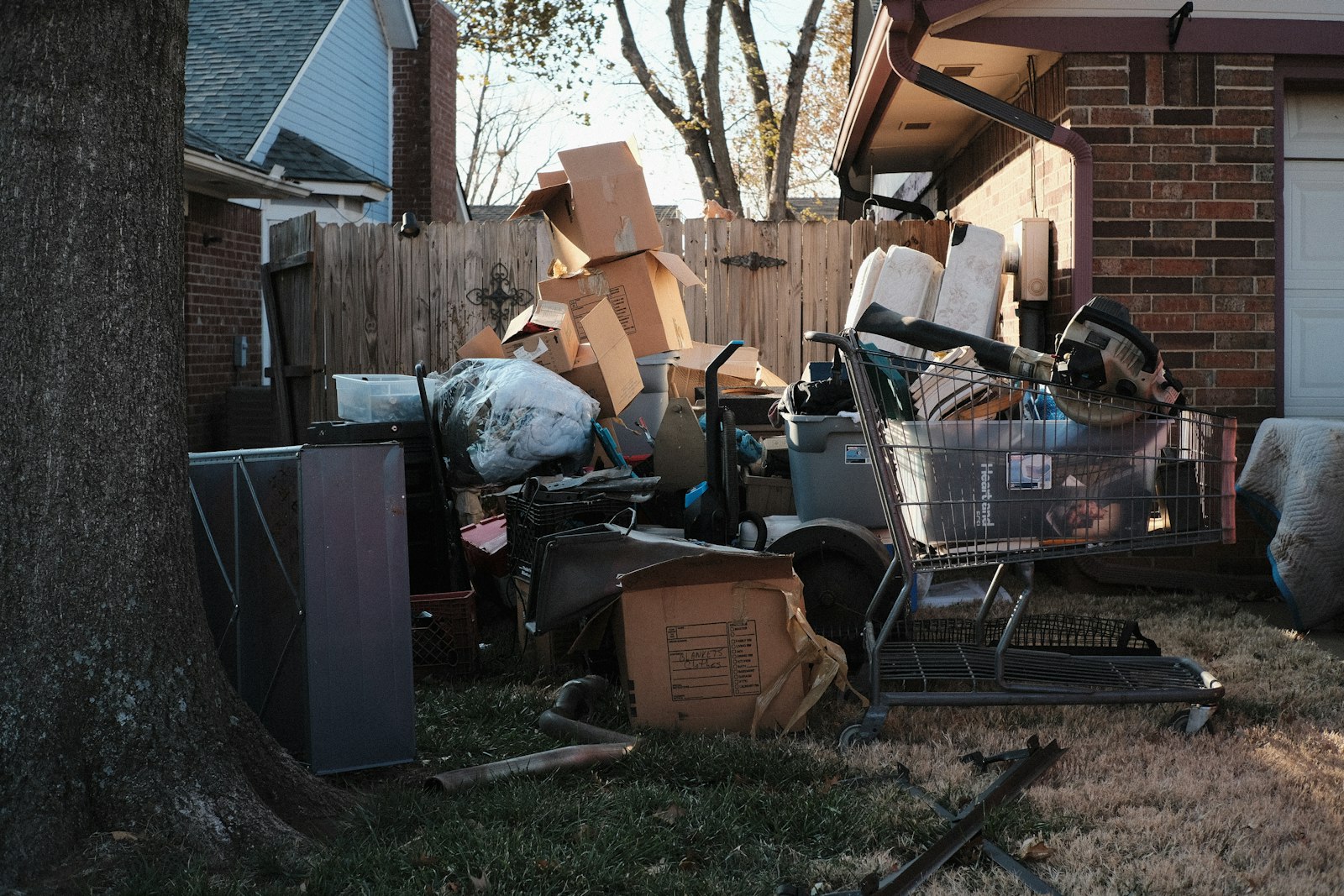
Junk removal has a cost that most trades do not: disposal. You do not just haul the stuff away, you have to pay to get rid of it, and tip fees, recycling charges, and surcharges for mattresses, tyres, or fridges add up fast. Price a job on volume alone and forget the disposal, and a truckload of heavy or awkward waste can wipe out your margin. The invoice has to capture the volume, the labour, and the disposal cost clearly, so every job actually pays.
This guide covers how to invoice for junk removal: pricing by volume or truckload, disposal and tip fees, labour, heavy and hazardous items, and a sample invoice you can copy.
What a junk removal invoice must include
A junk removal invoice needs the standard fields plus a few specific to waste clearance:
- Your name or business name, contact, waste-carrier licence number, and tax number where required
- The customer's name and the collection address
- A unique invoice number, issue date, and a clear due date
- The volume removed (truckload fraction, cubic yards, or item count)
- Labour, where charged separately
- Disposal / tip fees and any surcharge items
- Subtotal, tax if registered, and the total due
In many places you must be a licensed waste carrier to remove waste legally, and putting your licence number on the invoice reassures the customer their waste is being handled properly. For the full anatomy of an invoice, see our invoice format and layout guide.
How junk removal is priced
The trade prices mostly by how much space the waste takes:
| Model | How it works | Best for |
|---|---|---|
| By volume | A price per fraction of the truck (⅛, ¼, ½, full) | The standard model |
| By the truckload | A flat rate for a full load | Big clearances |
| By item | A set price per item removed | Single bulky items |
| Labour add-on | Extra for stairs, dismantling, long carry | Awkward access |
| Disposal / surcharges | Tip fees + special-item charges | On top of any model |
Most junk removal is priced by volume, how much of the truck the waste fills. On top of that sit disposal fees and surcharges for items that cost more to dispose of. Whatever model you use, the customer should understand upfront that disposal is part of the price.
Sample junk removal invoice
Here is a half-load clearance with a surcharge item.
| Description | Qty | Rate | Amount |
|---|---|---|---|
| Junk removal, half truckload | 1 | $220.00 | $220.00 |
| Mattress disposal surcharge | 1 | $30.00 | $30.00 |
| Labour: dismantle + carry (2nd floor) | 1 | $45.00 | $45.00 |
| Disposal / tip fee | 1 | $40.00 | $40.00 |
| Subtotal | $335.00 | ||
| Tax | $0.00 | ||
| Total due (on completion) | $335.00 |
The volume, the surcharge item, the labour, and the disposal fee sit on their own lines. The customer sees that the price is not just "hauling", it includes the real cost of legally disposing of their waste, which is exactly the impression you want.
Disposal and tip fees: bill them, do not eat them
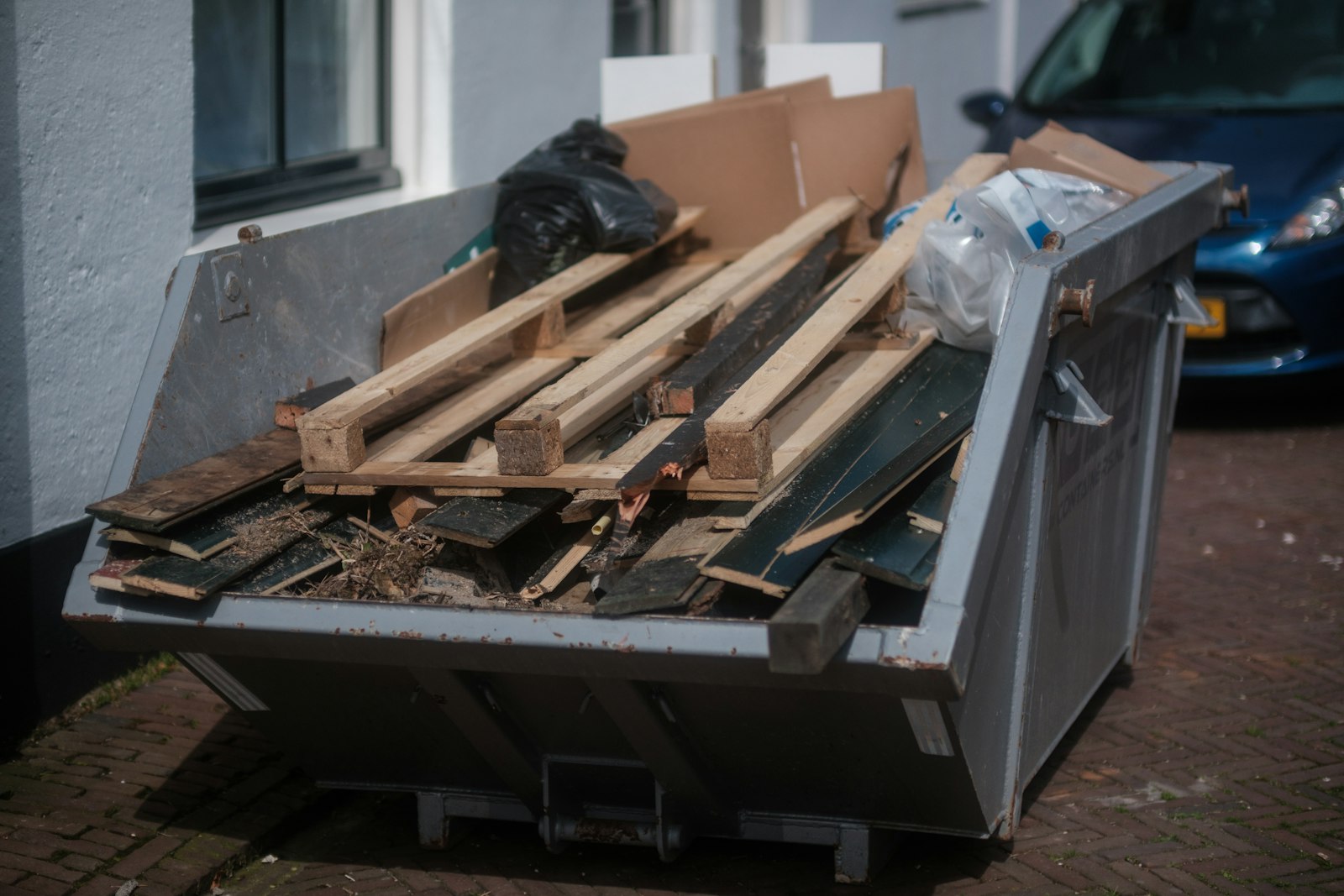
This is where junk removers lose money. Disposal is a real, variable cost:
- Tip and landfill fees are charged by weight or volume at the facility.
- Recycling and special-waste fees apply to electronics, tyres, and hazardous items.
- Surcharge items cost more to dispose of: mattresses, fridges (which need degassing), TVs, tyres, and paint.
If your headline price does not account for disposal, a heavy or awkward load loses you money. Either build a fair disposal allowance into your volume price, or show disposal and surcharges as separate lines. Being transparent about disposal also justifies your price, since customers often do not realise how much it costs to get rid of waste legally. Hidden or absorbed costs are a classic margin-killer, a theme in our common invoice mistakes guide.
Heavy, hazardous, and awkward items
Some items need special handling, and the invoice should reflect it:
- Heavy items (safes, pianos, hot tubs): price individually, not by volume.
- Hazardous waste (paint, chemicals, asbestos): often you cannot take it, or it needs a specialist. Do not remove what you are not licensed for.
- Fridges and freezers: require degassing before disposal, hence a surcharge.
- Awkward access: stairs, long carries, and no parking all add labour.
Agree these before you load, in writing, so the invoice is not a surprise. Unapproved extras are a frequent cause of disputes, covered in our how to handle a disputed invoice guide.
Commercial clearances and getting paid
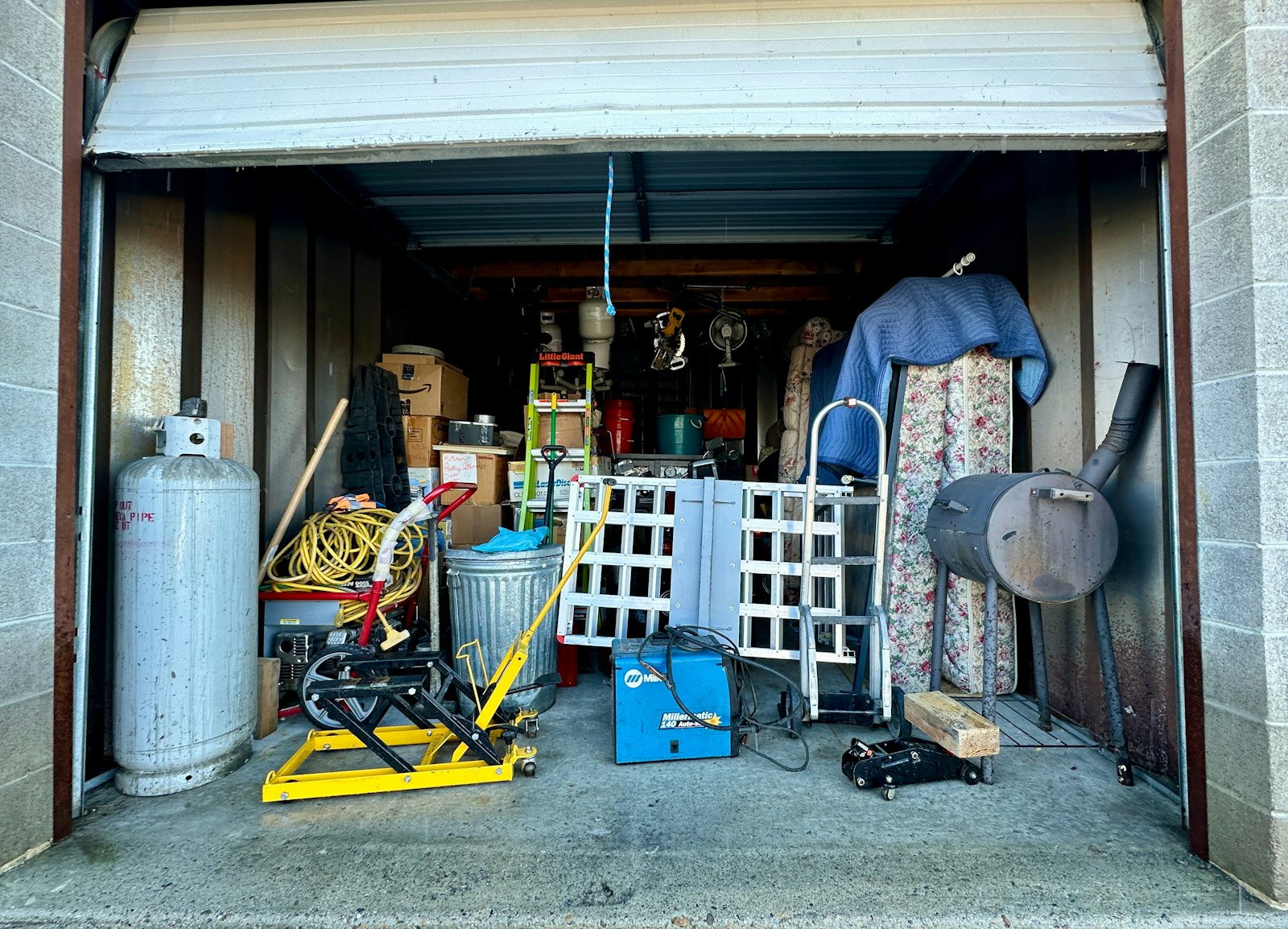
Domestic jobs are usually paid on completion, before you leave, often by card on site. Commercial and trade work is different:
- Landlords, letting agents, offices, and builders need a proper invoice, often on Net 14 or Net 30 terms, with the property address and any job reference.
- Recurring commercial clearances (a shop's regular waste, a builder's ongoing site) can be set up as a contract, invoiced monthly.
- Always keep proof of proper disposal (waste transfer notes) for commercial clients, who may need it for their own compliance.
For terms and chasing slow-paying commercial accounts, see our payment terms guide.
Tax for junk removal businesses
Tax depends on registration and location:
- In the UK, charge VAT (20%) once VAT registered; you also need a waste-carrier registration to remove waste legally.
- In Australia, register for GST (10%) at A$75,000 turnover and quote your ABN on every invoice.
- In the USA, junk haulers report income themselves; dumping and disposal are regulated at state and local level.
Only charge tax you are registered to collect, and show it on its own line. For related haulage work, see our trucking invoice guide and moving company invoice guide.
Common junk removal invoice mistakes
- Ignoring disposal cost in the price and losing money on heavy loads.
- No surcharge for mattresses, fridges, tyres, and special waste.
- Charging volume rates for heavy single items.
- No waste-carrier licence shown (and, worse, not having one).
- Sending editable files. Always send a PDF.
Make a junk removal invoice in 60 seconds
You do not need hauling software to invoice cleanly. Invoicara's free invoice generator lets you bill by volume, add disposal fees and surcharge items on separate lines, include your waste-carrier licence and the collection address, apply tax, and export a clean PDF. Save your details so each job's invoice takes under a minute. No sign-up, no watermark, free forever.
For related trades, see our moving company invoice guide and trucking invoice guide. For the basics, our complete guide on how to make an invoice covers every field. Price by volume, always account for disposal, surcharge the special items, and keep your waste-carrier details on the invoice, and every junk removal job pays for the real work it takes.