How to Set Up Recurring Invoices for Regular Clients

Recurring invoicing is the quiet engine of a stable business. Instead of hunting for new work every month, you bill the same clients on a regular cycle, a retainer, a subscription, or a membership, and your income becomes predictable. But recurring billing has its own pitfalls: inconsistent dates, numbering that drifts, price changes handled badly, or payments you end up chasing every single month. Set up properly, recurring invoices run in the background and keep the cash flowing without the admin eating your week.
This guide covers how to set up recurring invoices: the main models, billing cycles, automating payment, handling changes, and keeping your numbering and records clean. It works for freelancers, agencies, and any business with repeat clients.
What recurring invoicing is (and who needs it)
A recurring invoice is one you send to the same client on a fixed schedule for an ongoing service. If you have clients who pay you every month or quarter, you are already a candidate. Common cases:
- Retainers: an agreed scope billed monthly (bookkeeping, marketing, VA work).
- Subscriptions: ongoing access or service at a set fee.
- Memberships: gyms, clubs, coaching programmes.
- Maintenance or support plans: a monthly fee for ongoing cover.
Moving clients onto a recurring arrangement is the single biggest lever for stable income, which is why our bookkeeper invoice guide and virtual assistant invoice guide both push retainers so hard.
Recurring billing models
The model you choose shapes how the invoice looks and when it goes out:
| Model | How it works | Best for |
|---|---|---|
| Fixed retainer | Same fee each cycle for agreed scope | Ongoing services |
| Subscription | Flat recurring fee for access | Products, plans, tools |
| Usage-based | Base fee plus variable usage | Services that scale |
| Instalments | A fixed total split over dates | Large one-off jobs paid over time |
Fixed retainers and subscriptions are the simplest, since the amount is the same every cycle. Usage-based billing adds a variable line on top of a base fee. Instalments are not strictly recurring, but they use the same discipline of a scheduled, numbered series of invoices.
Setting up the invoice itself

A recurring invoice looks like a normal invoice, but consistency is everything:
- State the period clearly ("Retainer, July 2026") so each invoice is distinct.
- Keep the layout identical every cycle, so clients recognise it instantly.
- Bill in advance for services (start of the period), since you are providing ongoing work.
- Number them in a clean sequence, never reusing or skipping numbers, as covered in our invoice numbering guide.
Because these invoices repeat, a saved template with the client's details and your standard line items turns each cycle into a one-minute job instead of a fresh build. The structure underneath is the same as any invoice, covered in our invoice format and layout guide.
Choosing a billing cycle
Pick a cycle and hold it steady, because predictability is the whole point:
- Monthly is the most common, ideal for retainers and subscriptions.
- Quarterly suits larger fees or lower-touch services.
- Same day each cycle (the 1st, or the anniversary of signup) so both sides can plan around it.
- Send on schedule without fail, since a recurring invoice that slips a week trains clients to pay late.
The date matters more than you would think: a fixed, reliable billing day makes your income predictable and signals a well-run business.
Automating payment
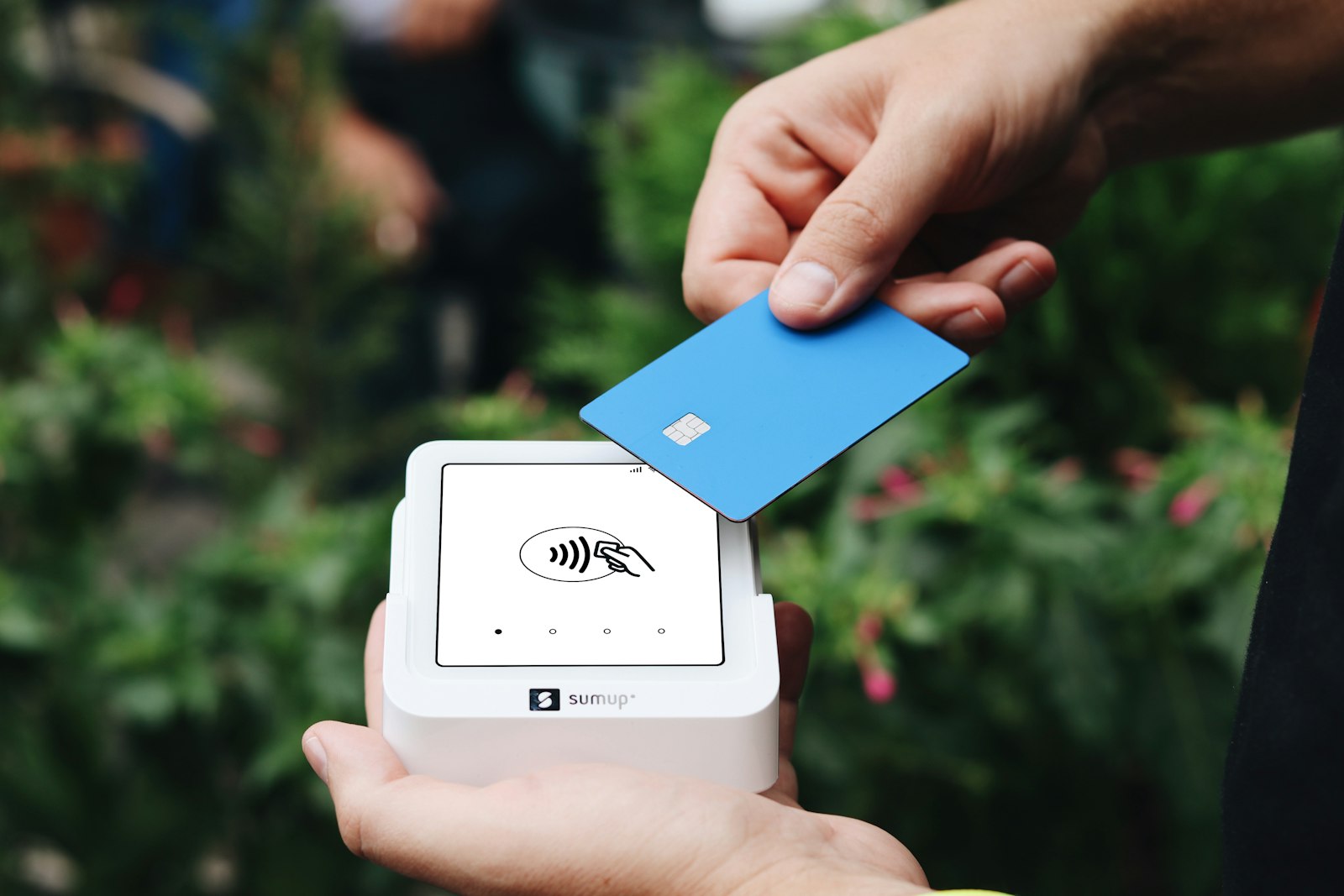
The real prize of recurring billing is not sending the invoice, it is not chasing it:
- Offer direct debit or a saved card so the fee collects automatically each cycle.
- Use standing bank instructions where card collection is not available.
- Send the invoice as a record even when payment auto-collects, so the client has documentation.
- Set short terms (Net 7 or Net 14) for recurring clients, since the relationship is established.
Automatic collection is what turns recurring revenue from "predictable but still chased" into "predictable and hands-off." For terms and follow-up on the occasional failed payment, see our payment terms guide.
Handling changes: price rises, usage, and pausing
Recurring arrangements are not set-and-forget forever. Handle changes cleanly:
- Give notice of a price rise in writing, well before the cycle it takes effect, and update the recurring amount from that date.
- Show variable usage as a separate line on top of the base fee, so the recurring part stays clear.
- Document pauses or cancellations so billing stops cleanly and you are not invoicing for a service that ended.
Communicating changes ahead of time keeps trust intact; a surprise price rise on a recurring invoice is a fast route to a cancelled client or a dispute.
Onboarding a client onto recurring billing
Moving a client onto a recurring arrangement works best when you set it up clearly from the start. Agree the amount, the cycle, the billing day, and the payment method in writing before the first invoice, so there are no surprises later. Send the first invoice manually and confirm the client is happy with the format, then let the schedule take over. A short note explaining what will happen ("you will receive an invoice on the 1st of each month, collected by direct debit") removes any uncertainty and makes the client comfortable committing to an ongoing fee. A smooth first cycle sets the tone for a long, low-friction relationship.
Tax and records on recurring invoices
Tax works the same each cycle: apply your rate to the subtotal and show it on its own line. Because these invoices repeat, keeping the series numbered and filed is doubly important for your bookkeeping and any audit. Only charge the tax you are registered for, whether that is VAT in the UK, GST in Australia, or state sales tax in the USA. For the mechanics, see our how to add tax to an invoice guide.
Common recurring invoice mistakes
- Inconsistent billing dates that erode predictability.
- Numbering that drifts or reuses numbers across cycles.
- No automatic collection, so you chase your own money monthly.
- Surprise price rises with no notice.
- Sending editable files instead of PDFs.
Set up recurring invoices in minutes
You do not need subscription software to bill a retainer cleanly. Invoicara's free invoice generator lets you save your details and standard line items, so each cycle's invoice takes under a minute, with clean numbering and a professional PDF every time. No sign-up, no watermark, free forever.
For the basics, see our complete guide on how to make an invoice, and to move clients onto retainers our bookkeeper invoice guide. Pick a model, hold a steady cycle, automate collection, and give notice of any change, and recurring invoicing becomes the reliable income your business runs on.