
Progress Billing Format: Template and Sample Invoice
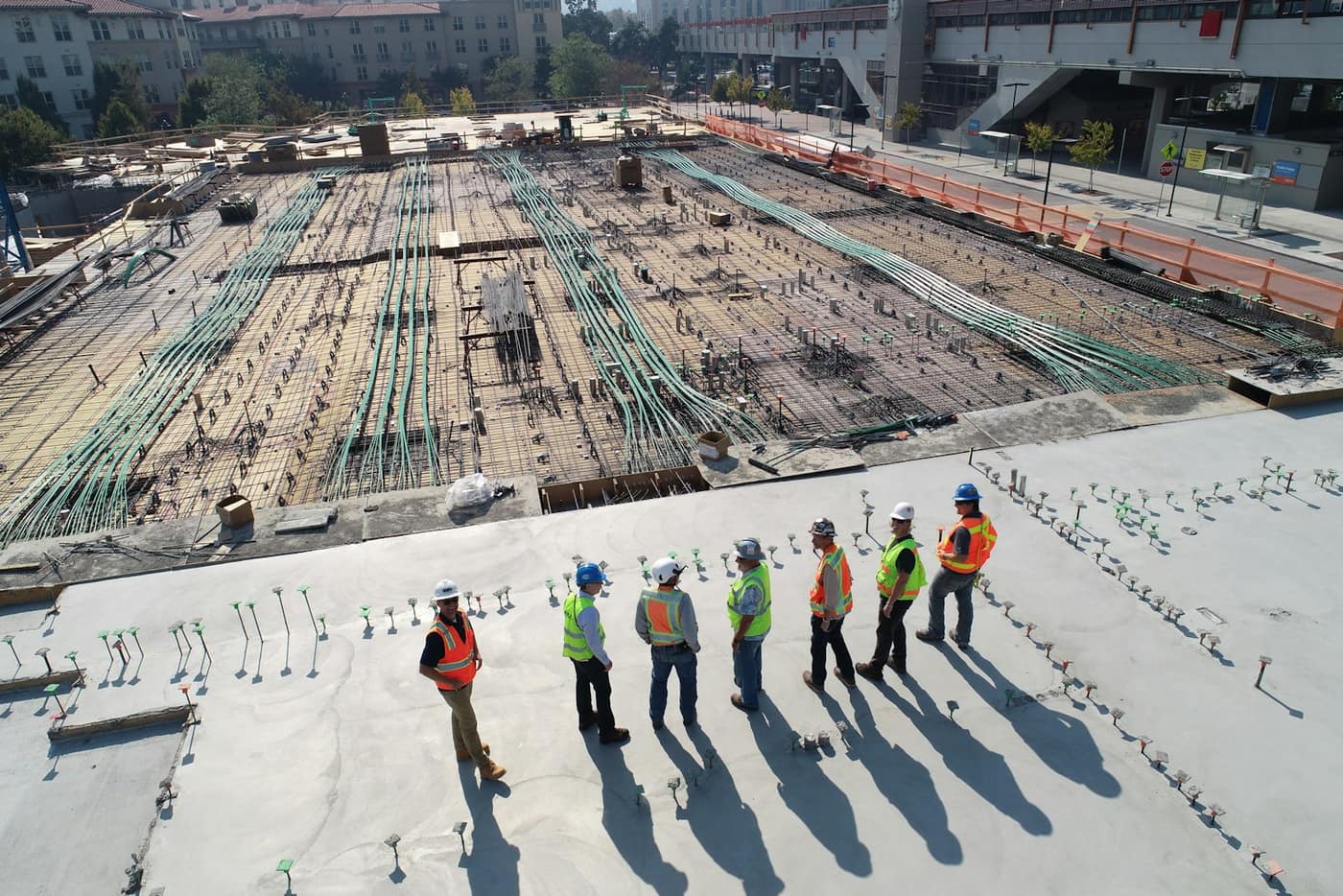
Most invoices are simple: you finish the work, you send the bill. Construction does not work that way. A project running four months with a six-figure contract value cannot wait until the end for a single invoice, because the contractor would be funding materials, plant hire, and a crew's wages out of their own pocket for the whole job.
Progress billing solves that. You invoice in stages as the work completes, and each claim is checked against what has actually been built. It is the standard on almost every commercial construction project and on most larger residential ones.
The format trips people up, though. A progress invoice is not a normal invoice with a different heading. It has to show the running arithmetic of the whole contract, not just this month's charges. This guide covers that format, what each line means, how the amount due is calculated, and a filled-in sample you can copy.
What makes a progress billing invoice different
A normal invoice answers one question: what do I owe for this work? A progress invoice answers four:
- What is the total contract worth?
- How much of it has been earned so far?
- How much has already been invoiced?
- What is due right now?
That running total is the whole point. Without it, neither side can tell whether the claim is reasonable, and the client's quantity surveyor or project manager has nothing to check against.
| Standard invoice | Progress billing invoice | |
|---|---|---|
| Covers | One job or period | One stage of a longer contract |
| Shows contract value | No | Yes, always |
| Shows work completed to date | No | Yes, as a percentage or value |
| Shows previous billings | No | Yes, deducted from the total earned |
| Retention | Rarely applies | Usually deducted on every claim |
| Needs approval before payment | Sometimes | Almost always, by a surveyor or PM |
Agreeing the schedule of values
Before the first claim, you agree a schedule of values with the client. This breaks the contract price into line items with a value attached to each one. It is the reference document every progress invoice is measured against.
A schedule of values for a small commercial fit-out might look like this:
| Line | Description | Contract value |
|---|---|---|
| 1 | Site setup and preliminaries | $8,000 |
| 2 | Demolition and strip-out | $12,000 |
| 3 | Structural works | $46,000 |
| 4 | Electrical first fix | $18,000 |
| 5 | Plumbing first fix | $14,000 |
| 6 | Plasterboard and finishes | $22,000 |
| 7 | Second fix and commissioning | $16,000 |
| 8 | Final clean and handover | $4,000 |
| Total contract value | $140,000 |
Two rules make this work. Keep the number of lines manageable, because forty lines means forty percentages to argue about every month. And front-load nothing artificially: inflating the value of early items to improve your cash flow is called front-loading, and any experienced surveyor will spot it and reject the claim.

The progress billing format, line by line
Each claim takes the schedule of values and adds four columns. Here is what each one means.
Contract value. The agreed figure for that line, straight from the schedule. It does not change unless a variation is approved.
Percent complete. How much of that line is finished at the claim date. This is the number that gets scrutinised, so be able to justify it.
Value earned to date. Contract value multiplied by percent complete. This is cumulative, covering everything done since day one, not just this period.
Previously billed. The total of everything you have claimed on earlier invoices for that line.
This claim. Value earned to date minus previously billed. That difference is what you are asking for now.
At the bottom you total the claim, deduct retention, and show the net amount due. Some contracts also require you to state the original contract sum, the value of approved variations, and the revised contract sum, so the client can see the whole picture on one page.
Sample progress billing invoice
Here is claim number three on the $140,000 fit-out above, issued at the end of month three. The first two claims totalled $52,500, and the contract holds 5 percent retention.
| Line | Contract value | % complete | Earned to date | Previously billed | This claim |
|---|---|---|---|---|---|
| Site setup and preliminaries | $8,000 | 100% | $8,000 | $8,000 | $0 |
| Demolition and strip-out | $12,000 | 100% | $12,000 | $12,000 | $0 |
| Structural works | $46,000 | 90% | $41,400 | $27,600 | $13,800 |
| Electrical first fix | $18,000 | 75% | $13,500 | $4,500 | $9,000 |
| Plumbing first fix | $14,000 | 60% | $8,400 | $0 | $8,400 |
| Plasterboard and finishes | $22,000 | 20% | $4,400 | $0 | $4,400 |
| Second fix and commissioning | $16,000 | 0% | $0 | $0 | $0 |
| Final clean and handover | $4,000 | 0% | $0 | $0 | $0 |
| Totals | $140,000 | $87,700 | $52,100 | $35,600 |
The summary underneath then reads:
- Total earned to date: $87,700
- Less retention at 5 percent: $4,385
- Net earned to date: $83,315
- Less previously certified: $49,495
- Amount due this claim: $33,820
Note that retention is calculated on the cumulative figure, not on this claim alone. That is the part people get wrong most often, and it produces a different number.
Add your usual invoice details around this: your business name and tax number, the client's details, the project name and address, the claim number, the period covered, the payment terms, and the tax treatment. The claim number matters more than usual here, because everyone will refer to "claim three" in emails and site meetings for months afterwards.
How retention is deducted on each claim
Retention is money the client holds from every payment as security that you will finish properly and come back to fix defects. Five percent is the common figure, ten on some contracts.
It is normally released in two halves. The first half is released at practical completion, when the building is usable. The second half is released at the end of the defects liability period, often twelve months later. On a $140,000 job at 5 percent, that is $7,000 sitting with the client, half of which you may not see for over a year.
Show it as a deduction on every claim rather than quietly leaving it out of your total. A claim that ignores retention will be corrected downward by the surveyor, which looks careless, and it also means your own records overstate what you are owed.
Where variations sit in the claim
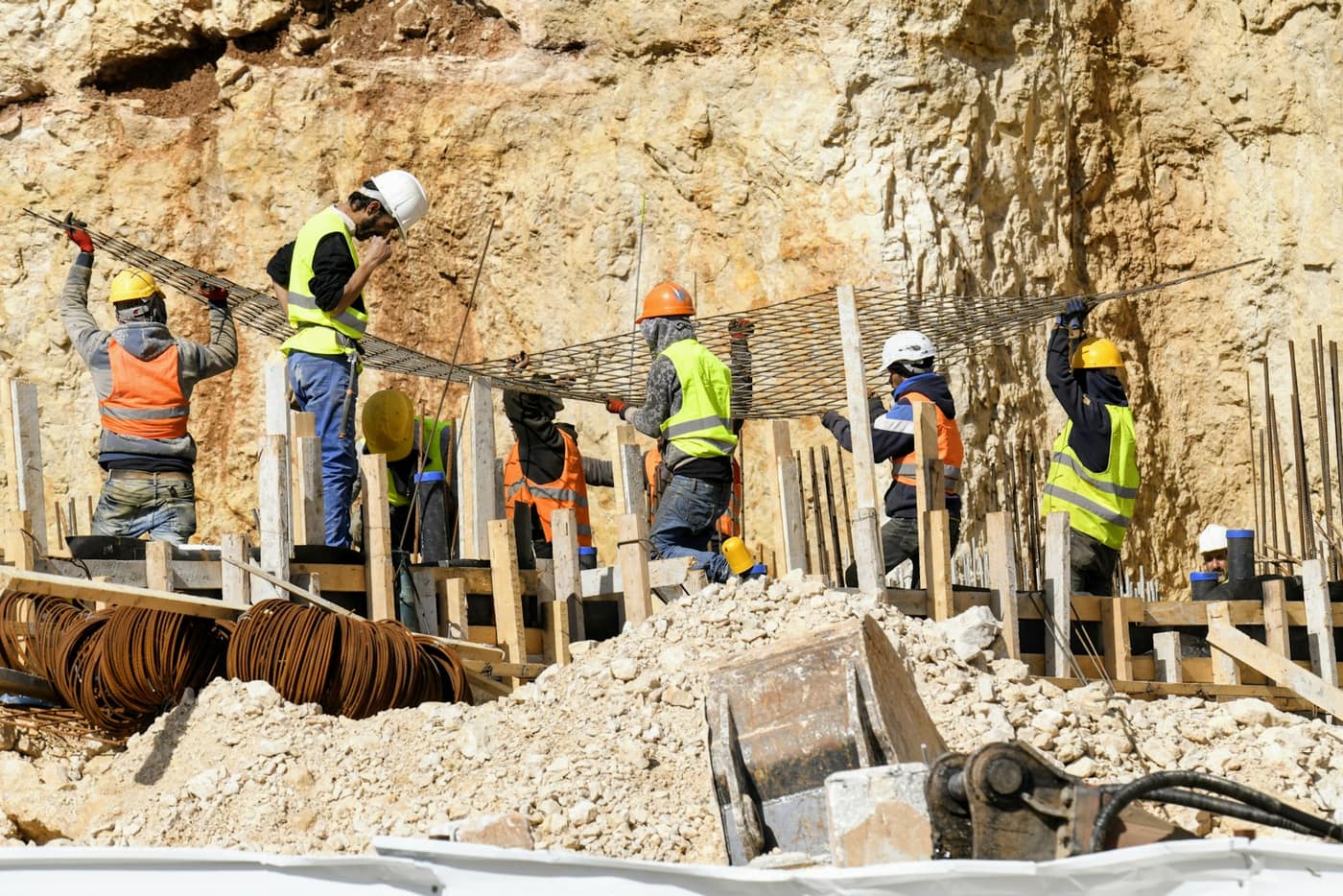
Extra work outside the original scope does not belong buried inside a percentage. It goes on its own line, with its own reference number and its own approval.
The safe sequence is: get the variation priced, get it approved in writing, add it to the schedule of values as a new line, then start claiming against it. Doing the work first and arguing about the price later is how contractors end up unpaid for genuine work. On any job of size, a verbal go-ahead on site is not enough.
If a variation is instructed but not yet priced, some contracts let you claim it at a provisional value. Say so explicitly on the invoice rather than folding it into another line.
Tax on progress claims
Tax applies to each claim as you issue it, not once at the end of the project.
- In the UK, VAT is due on the amount of each claim. Construction has extra complexity: the domestic reverse charge means that on many business-to-business construction services, the customer accounts for the VAT rather than you charging it. Check whether your contract falls under it, because getting this wrong affects every invoice on the job. See our UK VAT invoice requirements guide for the fields HMRC expects.
- In Australia, GST at 10 percent applies to each progress claim, and your ABN goes on every one. Claims on construction contracts are also subject to the security of payment legislation in each state, which sets strict timeframes for the client to respond.
- In the USA, treatment varies by state. Many states tax materials but not labour on construction contracts, and some treat the contractor as the end consumer of materials instead. Check your state's rules before setting up the schedule.
Retention is usually taxed when it is claimed rather than when it is released, but this varies, so confirm the treatment locally rather than assuming.
Common progress billing mistakes
- Claiming a percentage you cannot evidence. If you claim 90 percent on structural works, expect to walk the site and show it. Optimistic percentages get claims rejected and slow the whole payment cycle.
- Calculating retention on the current claim instead of the cumulative total. These produce different numbers, and the surveyor will use the cumulative one.
- Forgetting to deduct previous billings. It sounds obvious, but on a long job with many lines it is easy to double-claim a line that was partially billed two months ago.
- Burying variations inside existing lines. They need their own line and their own approval, or they get disputed.
- Missing the claim date. Most contracts specify a claim date each month. Miss it and your payment can slip a full cycle. See our guide on handling a disputed invoice if a claim gets challenged.
- No schedule of values agreed upfront. Without it, every claim becomes a negotiation.
Progress billing on smaller jobs
You do not need a $140,000 contract to bill in stages. On a two-week job, a simpler version works: a deposit before starting, a payment at an agreed midpoint, and the balance on completion. There is no schedule of values, no retention, and no surveyor, but the principle is the same, which is that you are paid as you go rather than funding the job yourself.
For that simpler pattern, our guide on asking for a deposit covers how much to ask for and how to word the request. If you are billing construction work generally rather than in stages, the construction invoice guide covers labour, materials, and the standard format.
Make a progress billing invoice
You do not need construction software to issue a clean progress claim. Invoicara's free invoice generator lets you itemise each schedule-of-values line, enter the value claimed this period, apply tax, add your logo, and export a print-ready PDF. Put the claim number and the period in the invoice number field, use the notes section for the earned-to-date and retention summary, and save your details once so each month's claim takes a minute. No sign-up, no watermark, free forever.