
Roofing Invoice Template: Free, No Sign-Up
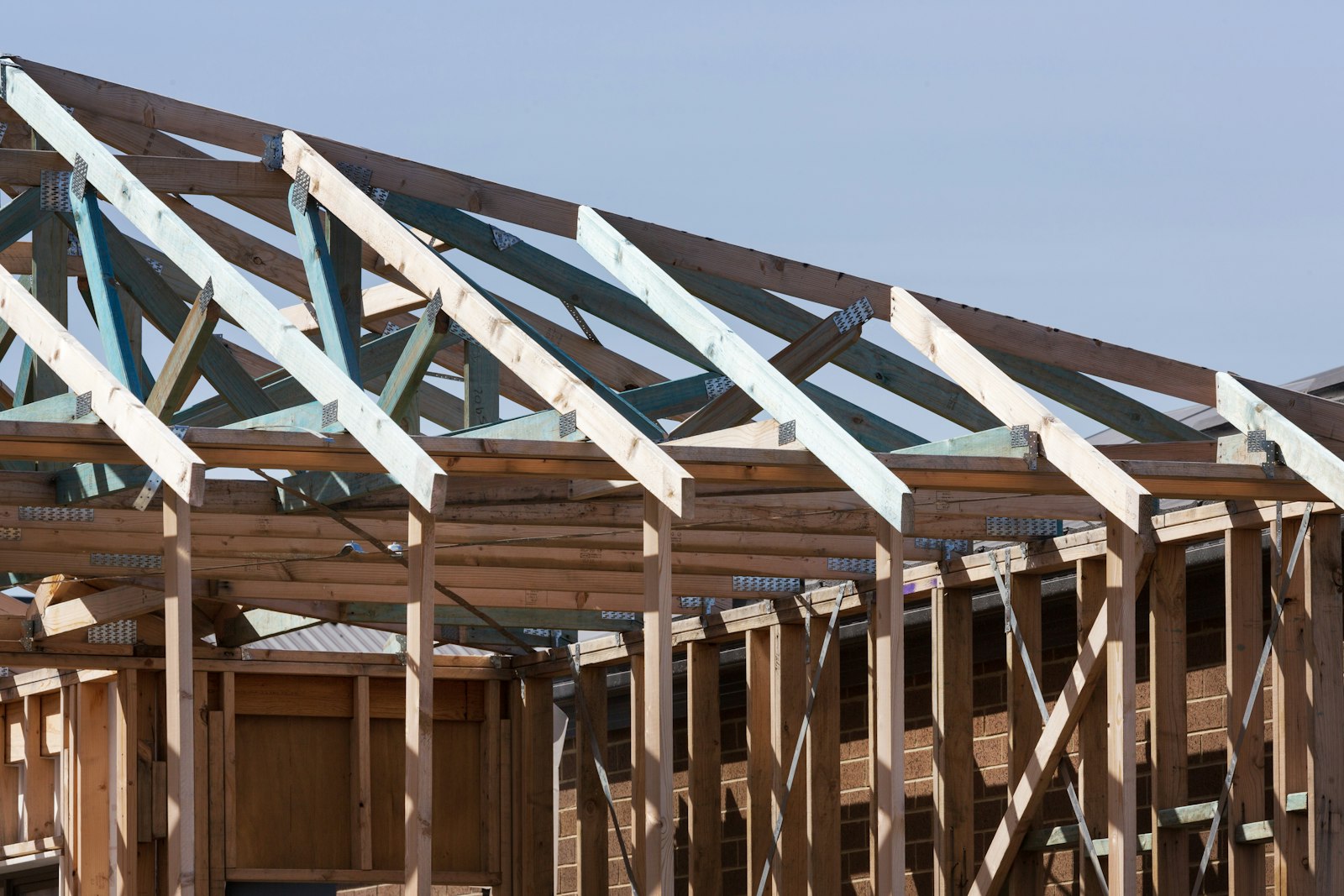
Roofing is a high-value, high-stakes trade, and the invoice carries more weight than in most jobs. A roof replacement is one of the biggest single bills a homeowner ever pays a contractor, it often involves an insurance claim, and it comes with warranties on both the materials and your workmanship. A clear roofing invoice itemises the tear-off, the materials, the labour, and the warranty, so the customer (and the insurer) can see exactly what they paid for.
This guide covers how to invoice for roofing: pricing by square, tear-off and disposal, materials and labour, deposits, insurance claims, warranty, and a sample roofing invoice you can copy. It works for roof repairs and full replacements.
Just need the template? Use our free roofing invoice template to fill one in online and download a PDF, no sign-up.
What a roofing invoice must include
A roofing invoice needs the standard fields plus several specific to roofing work:
- Your business name, address, contact, and licence/registration number
- The customer's name and the property address
- A unique invoice number, issue date, and a clear due date
- The scope: repair or replacement, roof area, materials
- Tear-off and disposal of the old roof, where applicable
- Itemised materials and labour, with the roof size
- Warranty terms on workmanship and materials
- Any deposit or insurance payment applied
- Subtotal, tax, and the total due
Roofers price and measure by the "square" (100 square feet of roof area), so stating the number of squares ties the price to the actual roof. For the full anatomy of an invoice, see our invoice format and layout guide.
Repairs vs replacements
The two main roofing jobs bill differently:
- Repairs. A leak, missing shingles, or flashing work. Smaller, often a call-out plus materials and labour, paid on completion.
- Replacements. A full re-roof: tear-off, disposal, new underlayment, and new shingles or tiles over one or more days. Always take a deposit before ordering materials, then bill the balance on completion, the same staged logic our construction invoice guide uses for bigger builds.
For a replacement, the tear-off and disposal of the old roof is real labour and a real dumpster cost, so it gets its own line rather than being hidden in the price.
Sample roofing invoice
Here is an invoice for a shingle roof replacement showing the deposit already taken.
| Description | Qty | Unit price | Amount |
|---|---|---|---|
| Tear-off and disposal (existing roof) | 1 | $1,400.00 | $1,400.00 |
| Architectural shingles (22 squares) | 22 | $310.00 | $6,820.00 |
| Underlayment, flashing, and accessories | 1 | $900.00 | $900.00 |
| Labour (install, 3 days) | 1 | $3,200.00 | $3,200.00 |
| Subtotal | $12,320.00 | ||
| Tax | $985.60 | ||
| Total | $13,305.60 | ||
| Less deposit paid | -$4,000.00 | ||
| Balance due | $9,305.60 |
Tear-off, materials by the square, accessories, and labour each get their own line, and the deposit comes off clearly at the bottom. On a five-figure bill, that itemisation is exactly what stops the customer (and any insurer) questioning the total.
Tear-off, materials, and labour
A roofing invoice lives on a clear breakdown of three things:
- Tear-off and disposal. Removing the old roof and hauling it away. Show it as its own line with the dumpster or disposal cost included.
- Materials. Shingles or tiles priced by the square, plus underlayment, flashing, vents, and ridge caps. Note the brand and grade, since premium materials carry longer warranties and justify the price.
- Labour. The install, shown as days or a fixed figure for the quoted job.
This breakdown protects you in a dispute and makes the manufacturer warranty claim straightforward later, because the materials and their grade are on the record. For the wider set of billing traps, see our common invoice mistakes guide.
Insurance claims and deposits
Many roof replacements, especially after storm or hail damage, are paid through the homeowner's insurance. That changes the invoice flow:
- Match the scope to the claim. Your invoice and estimate should line up with the insurer's scope so the claim pays cleanly.
- Document everything. Photos, measurements, and an itemised invoice support the claim and reduce push-back.
- Deposits. For any replacement, take a deposit before ordering materials. On insurance jobs, the insurer often releases funds in stages (an initial payment, then the depreciation on completion), so your invoicing should follow that rhythm.
Clear, itemised invoices are what make insurance roofing jobs go smoothly. For more on deposits and terms, see our payment terms guide, and for billing a large re-roof in stages as the work progresses, our progress billing guide.
Tax and warranty
State your warranty clearly on the invoice, separating workmanship from the manufacturer's material warranty ("10-year workmanship warranty; shingles carry a 30-year manufacturer warranty"). On a big-ticket roof, the warranty is a real selling point and reassures the customer.
On tax:
- In the US, most states tax roofing materials, and some tax labour, so check your state's rules.
- In the UK, charge VAT (20 percent) once VAT registered.
- In Australia, register for GST (10 percent) at A$75,000 turnover and quote your ABN on every invoice.
Only charge tax you are registered to collect, and show it on its own line above the total.
Commercial and property-manager roofing
The most valuable roofing invoices often go to a business rather than a homeowner. Property managers, commercial landlords, and facilities teams have flat roofs, multiple buildings, and ongoing maintenance needs, and they pay through accounts payable on Net 30 terms rather than a cheque on completion.
For these accounts, put a purchase-order reference on every invoice when the client uses one, since their AP team routes invoices automatically by PO and a missing reference delays payment. Identify the building and roof section clearly, and keep your inspection reports and photos on file, because a facilities manager comparing quotes across several roofs expects each invoice to stand on its own. Roofers who win commercial maintenance work get repeat business across many buildings, which is far steadier than chasing one-off residential storm jobs season to season.
Common roofing invoice mistakes
- No deposit on a replacement, so you fund thousands in materials yourself.
- Hiding tear-off and disposal in the price instead of showing it.
- Invoice that does not match the insurance scope, which stalls the claim.
- No clear workmanship and material warranty on a high-value job.
- Sending editable files. Always send a PDF.
Make a roofing invoice in 60 seconds
You do not need roofing software to bill a five-figure job cleanly. Invoicara's free invoice generator lets you itemise tear-off, materials by the square, accessories, and labour, apply a deposit, note the warranty, and export a clean PDF. No sign-up, no watermark, free forever.
For related trades, see our construction invoice guide, contractor invoice guide, and painting invoice guide. For the basics, our complete guide on how to make an invoice covers every field. Itemise the tear-off, price by the square, match the claim, state the warranty, and your roofing business gets paid in full on even the biggest jobs.